
Start the Year Smarter: Energy Efficiency Matters
The new year is the perfect time to rethink your home’s energy use. Small upgrades can reduce bills, improve comfort, and protect your home for the long term.
For example, even simple fixes like sealing leaks or upgrading insulation can make a noticeable difference. Additionally, pairing these changes with high-efficiency HVAC systems or energy-efficient windows maximizes savings all year long.
Seal Drafts and Gaps
Check doors, windows, and vents for leaks. Drafty spots can waste energy and drive up heating and cooling costs. Next, seal these areas with weatherstripping or caulk to prevent air from escaping.
Tip: Pay special attention to areas around chimneys, attic hatches, and basement doors, where hidden drafts are common.


Upgrade Insulation
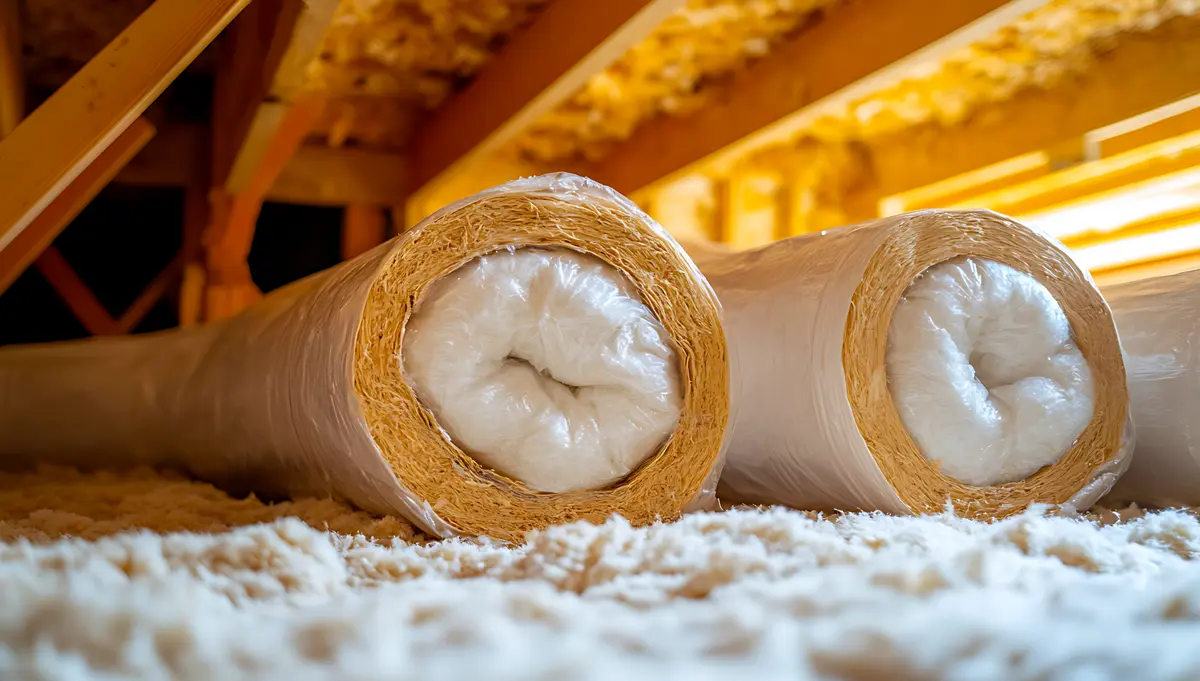
Proper insulation keeps heat in during winter and cool air in during summer. For instance, Johns Manville insulation in attics and walls helps stabilize indoor temperatures.
Additionally, insulation protects your home from moisture and reduces energy strain on HVAC systems, extending their lifespan.
Enhance HVAC and Windows
High-efficiency HVAC systems work best when paired with ProVia & Simonton windows. Consequently, your home stays comfortable while lowering energy costs.
Also, replacing old windows eliminates drafts, reduces noise, and increases property value. Combined with a Tex-Cote Cool Wall Coating, your exterior walls reflect heat efficiently and prevent energy loss.

Consider Solar for Maximum Savings
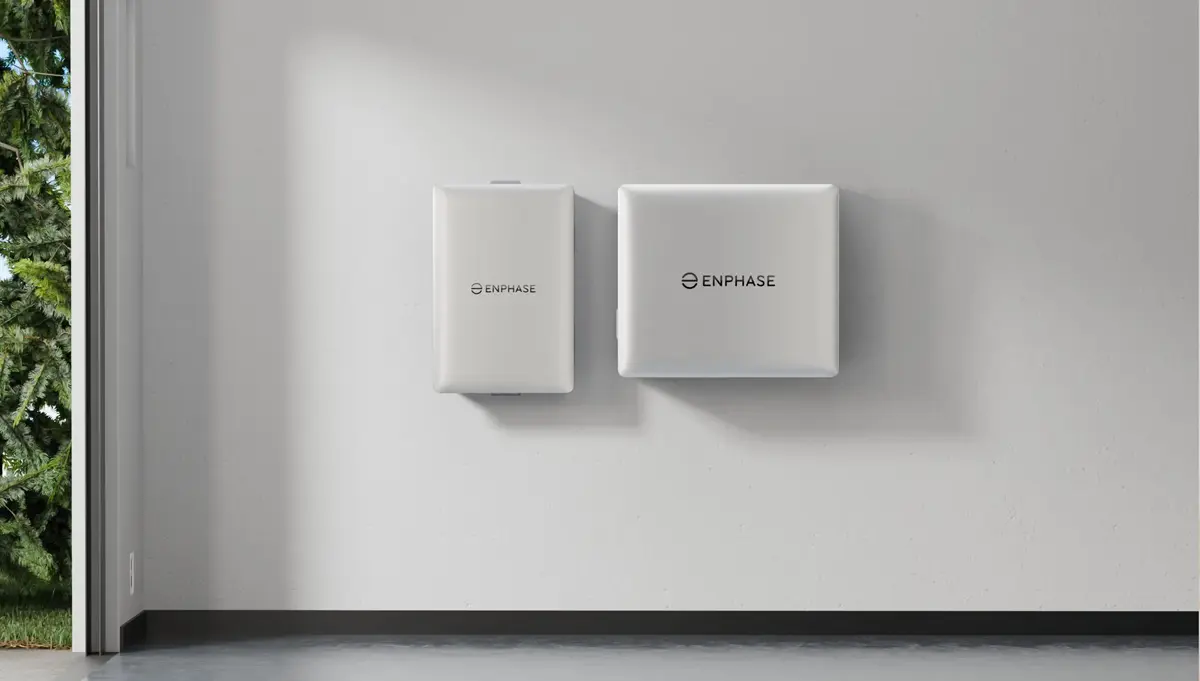
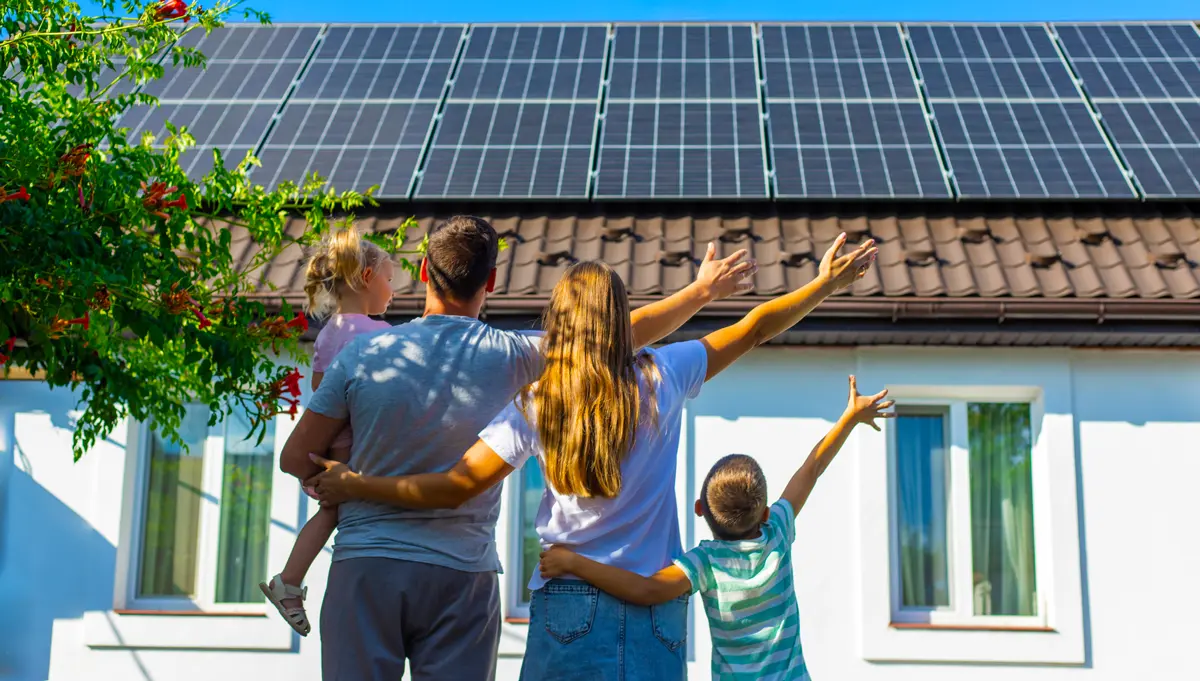
Mission Solar Panels and Enphase Solar Batteries allow homeowners to generate and store their own energy. Therefore, you can offset utility costs and increase your home’s energy independence.
Tip: Even partial solar installations can make a big difference in monthly bills.
Conclusion
Investing in energy-efficient upgrades early in the year pays off all year long. At Quality First Home Improvement, we help homeowners improve comfort, reduce bills, and protect their homes with:
- Johns Manville Insulation to reduce heat loss and keep indoor temperatures consistent
- High-Efficiency HVAC Systems to improve performance while lowering energy costs
- ProVia & Simonton Energy-Efficient Windows to eliminate drafts and heat transfer
- Tex-Cote Coolwall Coating, a smarter alternative to paint that reflects heat and reduces energy demand
- Mission Solar Panels and Enphase Solar Batteries for homeowners ready to take energy savings even further
If lowering your energy bills is one of your goals for 2026, now is the time to act. Our team can evaluate your home and recommend upgrades that make sense for your needs and budget.

👉 Schedule your Free Energy Consultation Today and Start the Year with a Smarter, more Efficient Home.
Seasonal Tips for January: Performing a home energy audit is a great first step to identify specific problem areas, so start by inspecting your windows, doors, and attic spaces for any noticeable drafts. By planning these improvements now, you can get your installation scheduled before the peak demand hits in February.
Case Study: Real Homeowner Success One family upgraded insulation, windows, and HVAC systems last winter. As a result, their energy bills dropped by 20%, and the house felt warmer and more comfortable. Additionally, they installed a small solar array with battery storage, further reducing reliance on the grid.
Fun Fact: Smart thermostats alone can save homeowners up to 15% on energy bills without changing daily habits.
Did You Know? The average U.S. household spends over $1,500 annually on heating and cooling. Small improvements can reduce that by 10–20%.
Home Improvement Milestone: On January 6th, 1874, the mass production of standardized nails began, revolutionizing home construction and making durable, affordable homes possible. Just like those nails built stronger homes, small energy upgrades today can strengthen your home and save on bills.