
More homeowners across Northern California and Nevada are asking this question. And the answers matter more than most people realize.
It is 4pm on a Tuesday in August.
The temperature outside is 108 degrees. Your AC has been running since 9 in the morning. The kids are home from school. Your elderly mother is visiting from out of town. And then, without warning, everything goes quiet.
The AC stops. The lights go dark. The refrigerator hums to a halt.
And within minutes, your home starts to change.
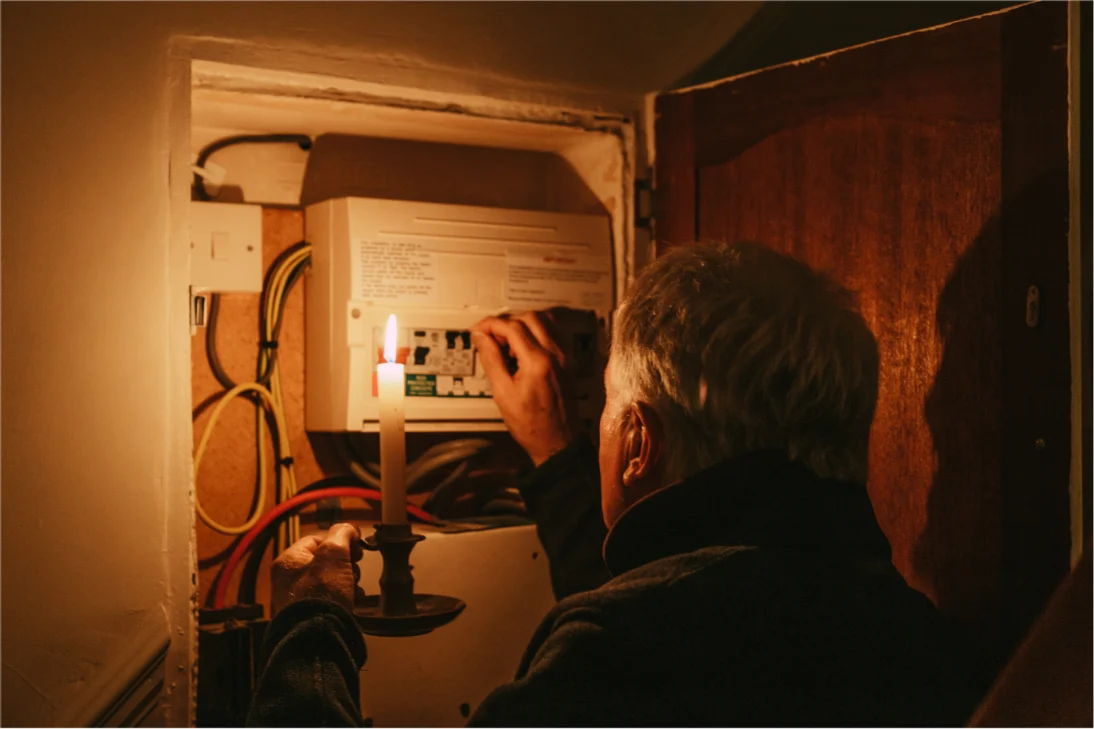
This is not a hypothetical situation for hundreds of thousands of California and Nevada homeowners. It happens every summer. It happened during the historic heat dome of 2020 when California declared a grid emergency and initiated rolling blackouts across the state for the first time in nearly 20 years. It happened during the extreme heat events of 2021 and 2022. And every summer, as temperatures climb higher and the grid comes under more stress, the question is not whether it could happen to you.
The question is whether you are ready for it when it does.
During the August 2020 heat event, California experienced its first rotating outages since the 2001 energy crisis, affecting hundreds of thousands of homes across the state at the peak of dangerous heat. — California ISO
A power outage during mild weather is an inconvenience. A power outage during a heat wave is a different situation entirely. And the gap between those two things is something every homeowner in Sacramento, Roseville, Concord, San Jose, and Reno needs to understand before summer peaks.
How Fast Does a Home Heat Up Without Air Conditioning?
Faster than most people expect.
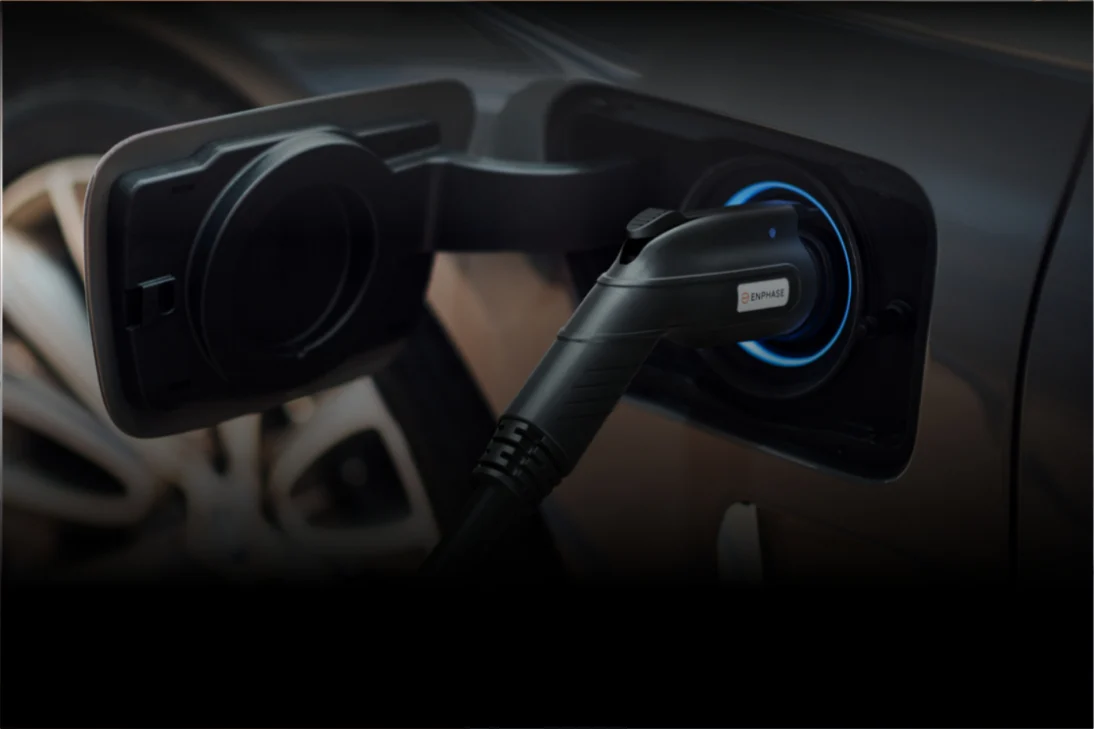
Studies show that indoor temperatures in a home without AC can rise 10 to 15 degrees above outdoor temperatures within a few hours during extreme heat events. On a 108-degree Sacramento afternoon, that means your home could reach 120 degrees or more inside within hours of losing power.
That is not discomfort. That is a health emergency for vulnerable family members.
Indoor temperatures can become dangerous within hours of losing air conditioning during extreme heat. The elderly, young children, and those with certain medical conditions are at highest risk. — Centers for Disease Control and Prevention
What About Your Food?
The USDA recommends discarding refrigerated food after four hours without power. Freezer food typically holds for 24 to 48 hours if kept closed. But on a day when your kitchen is climbing past 90 degrees, your refrigerator is fighting that ambient heat while its compressor sits silent.
The average American family keeps $300 to $500 worth of groceries in their refrigerator and freezer at any given time. During a multi-day heat wave blackout, that loss is real and immediate.
What About Medical Equipment and Medications?
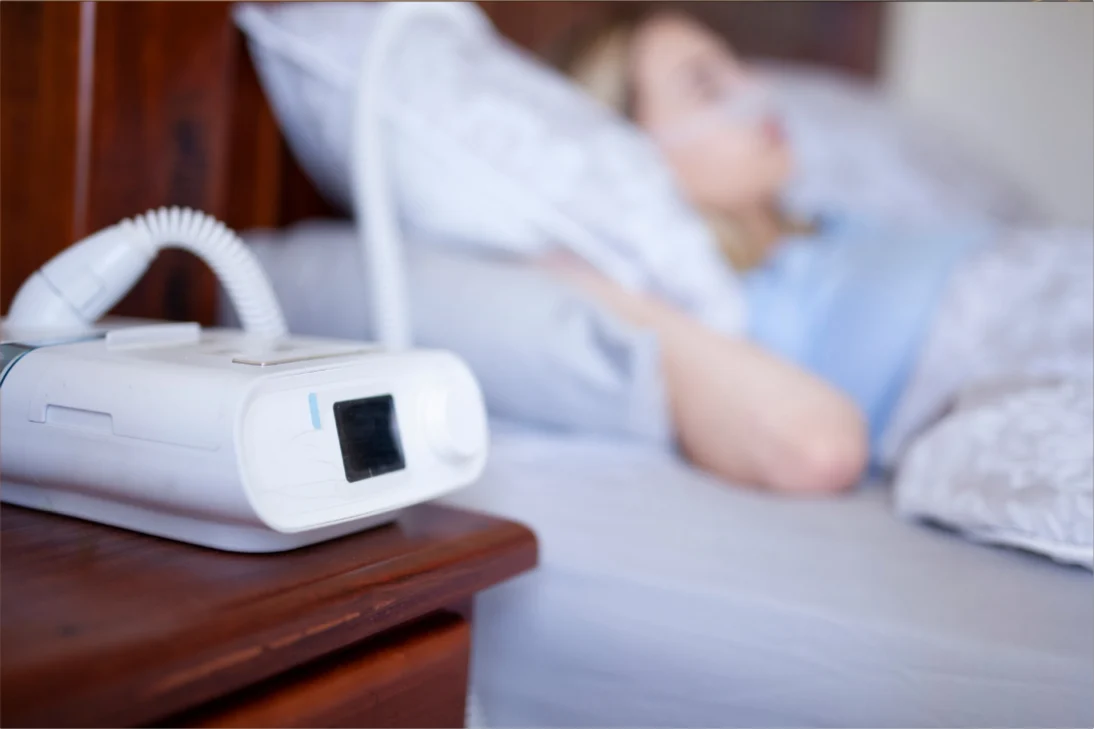
For the millions of California homeowners who rely on CPAP machines, oxygen concentrators, nebulizers, insulin that requires refrigeration, or other powered medical equipment, a power outage during a heat wave is not just uncomfortable. It can be genuinely dangerous.
This is a conversation that rarely happens until it has to. And for many families, the moment they realize they needed a backup power solution was after the outage, not before it.


What About Working From Home?
The shift to remote and hybrid work has fundamentally changed what a power outage means for a household. No internet. No laptop charge. No phone charge after a few hours. What used to be a day off is now lost income, missed deadlines, and real professional consequences.
And all of this is happening while the temperature inside your home climbs past 90 degrees and your family is trying to stay calm.
How Are Homeowners Across Northern California and Nevada Preparing?
There is a shift happening in home energy thinking across the region. And it is driven entirely by homeowners who have lived through a summer outage and decided they never wanted to feel that way again.
The solution they are turning to is solar combined with battery storage. Not one without the other. Both together, working as a system that gives their home its own independent power source when the grid goes down.
How Does Solar Plus Battery Storage Actually Work During an Outage?
Here is the part that surprises a lot of homeowners. Standard grid-tied solar panels do not automatically keep your home powered during an outage. This is a safety requirement. When the grid goes down, a grid-tied solar system shuts off to protect utility workers who may be working on the lines.
But a solar system paired with a battery storage solution like Enphase changes that equation entirely.
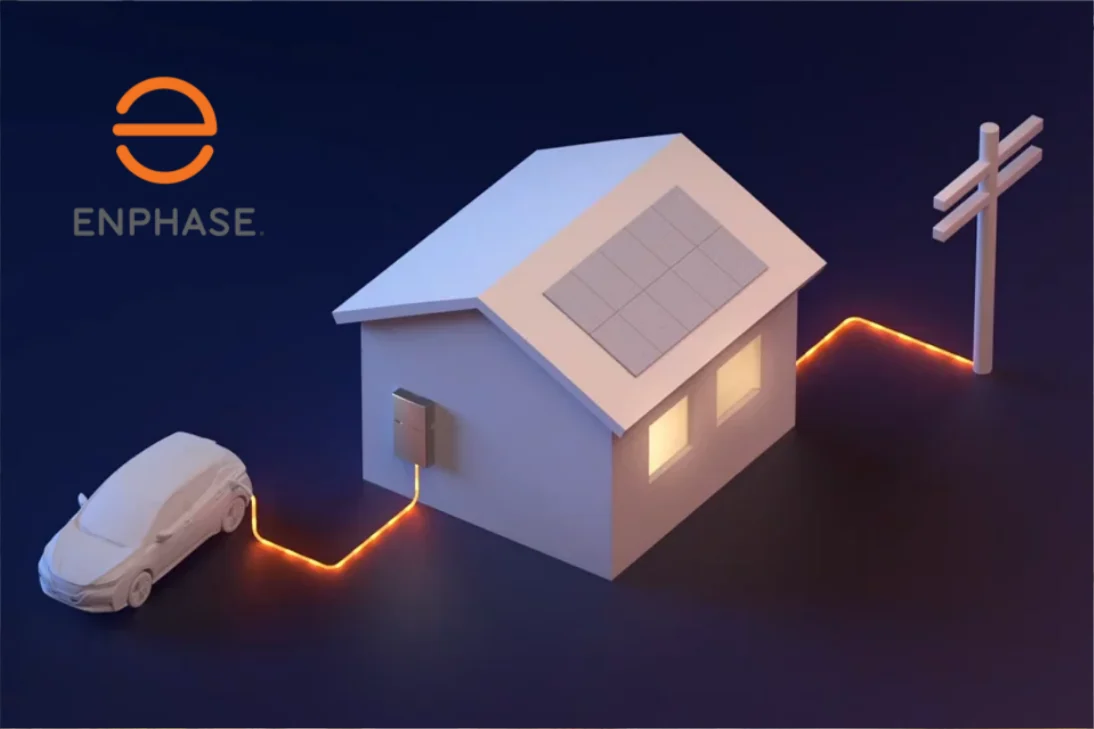
During the day, your solar panels generate electricity. That electricity powers your home and charges your battery. When the grid goes down, your Enphase system automatically disconnects from the grid and switches to battery power, creating what is called an island mode. Your home continues running on stored solar energy without interruption.
No generator. No fuel to store. No noise. No fumes. Just your home running quietly on energy your roof collected from the sun.
Enphase IQ Battery systems use microinverter-based architecture that allows seamless transition to backup power during grid outages, keeping essential home systems running without interruption.
What About Cloudy Days or Nighttime Outages?
Your battery charges during daylight hours and stores that energy for use whenever you need it, including at night and on overcast days. Enphase battery systems are designed to prioritize charging and to manage stored energy intelligently based on your home’s consumption patterns.
And Mission Solar panels, which Quality First installs across Northern California and Nevada, are engineered to produce strong output even in less-than-ideal light conditions, capturing usable energy on hazy summer days that other panels might underperform on.
How Much Power Does a Battery System Actually Provide?
This depends on the size of your system and what you need to run during an outage. Most homeowners prioritize the basics during an emergency. Refrigerator. Lights. Phone and device charging. Internet router. A few fans or a window AC unit.
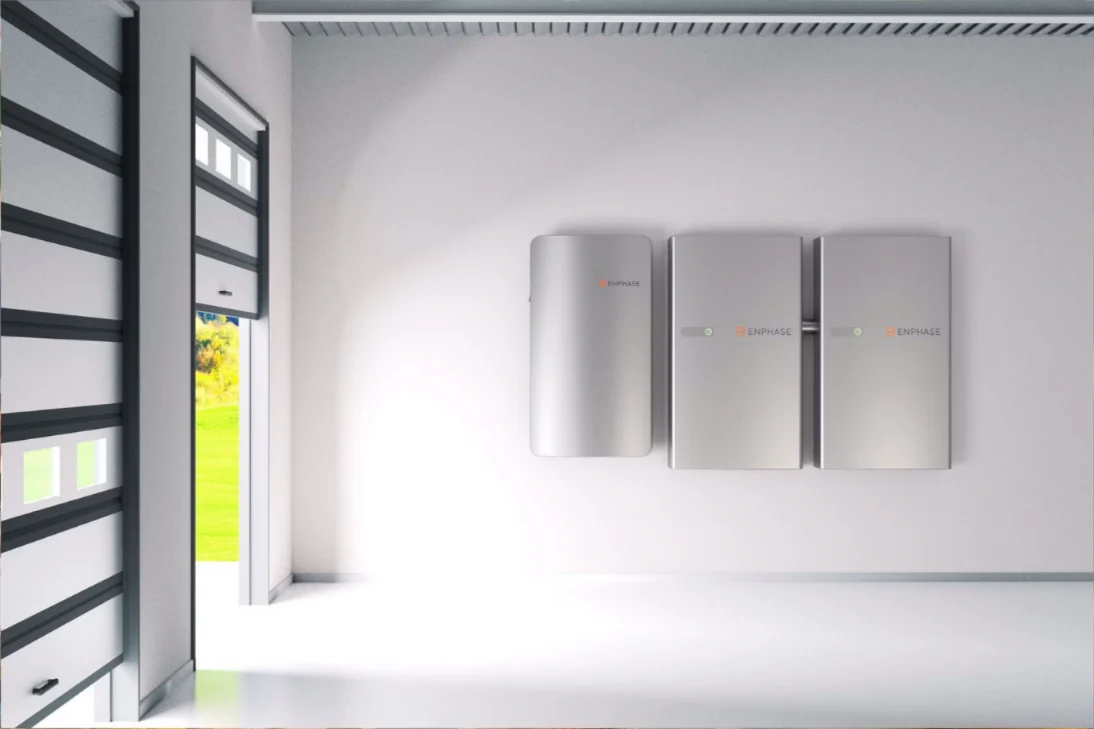
Multiple Enphase battery units can be stacked to increase storage capacity and cover more of your home’s needs. And a properly sized solar array continues generating power during daylight hours, extending your effective backup indefinitely as long as the sun is shining.
A quality solar and battery consultation walks through your home’s specific load, your local sun resources, and your priorities during an outage, and sizes a system that actually delivers what you need.
What Do Homeowners Say After Installing Solar Plus Battery Storage?
The change homeowners describe most consistently is not technical. It is emotional.
It is the feeling of watching a summer storm roll in from the Sierra Nevada toward Reno and not feeling anxious about it. It is checking the news during a California heat wave advisory and feeling genuinely calm instead of worried. It is knowing that if the power goes out tonight, your family will be comfortable, your food will be safe, and your medical equipment will keep running.
That shift from helpless to prepared is something homeowners who have made this upgrade describe as one of the most meaningful changes they have made to their home. Not because solar is exciting technology, though it is. But because it gives them back something that felt increasingly uncertain.
Control over their own home.
How Do You Know If Solar and Battery Backup Is Right for Your Home?
Every home is different. Every family has different priorities. And the right solar and battery system for a three-bedroom ranch in Elk Grove looks different from the right system for a two-story home in Sparks or a mid-century house in Walnut Creek.
That is why the conversation about solar and battery backup always starts with your home, your energy usage, your local sun resources, and what matters most to you during an outage. Not a one-size-fits-all recommendation. A system designed for your specific situation.
Quality First Home Improvement installs complete solar and battery systems using Enphase technology and Mission Solar panels throughout Sacramento, Roseville, Citrus Heights, Elk Grove, Folsom, Concord, Walnut Creek, the East Bay, San Jose, Campbell, Reno, Sparks, and surrounding communities.
The consultation is free. The approach is educational. And there is zero pressure involved in any part of the process.
We are not trying to sell you a system. We are trying to help you understand your options so you can make a genuinely informed decision about your home and your family’s preparedness.
The Best Time to Prepare Is Before You Need To
Every summer, homeowners who experienced an outage during a heat wave the previous year call us in April and May. And every summer, homeowners who waited until June are scheduling further out than they wanted to.
The permitting and utility interconnection process for a solar and battery system takes time. Starting the conversation now gives your system the best chance of being installed and operational before the peak heat months arrive across Northern California and Nevada.
You do not have to be afraid of a summer power outage. You do not have to sit in the dark hoping it ends before someone in your family needs help. You can be the household on your block with the lights still on, the refrigerator still running, and the confidence that comes from knowing your home can take care of itself.
That is not a luxury. That is exactly what your home should be able to do for your family.
Quality First Home Improvement | Northern California and Nevada | qualityfirsthome.com
Serving: Sacramento, Roseville, Citrus Heights, Elk Grove, Folsom, Rancho Cordova, Concord, Walnut Creek, East Bay, San Jose, Campbell, South Bay, Reno, Sparks, and surrounding communities.